What are Copper Ingots?
Copper is an essential metal used by humans since ancient times. Its malleability, ductility, and conductivity make it a valuable resource for various applications, from electrical wiring to architectural features. Copper ingots are one of the most popular forms of copper products and are widely used in different industries. This blog post will discuss copper ingot, its uses, & its advantages.
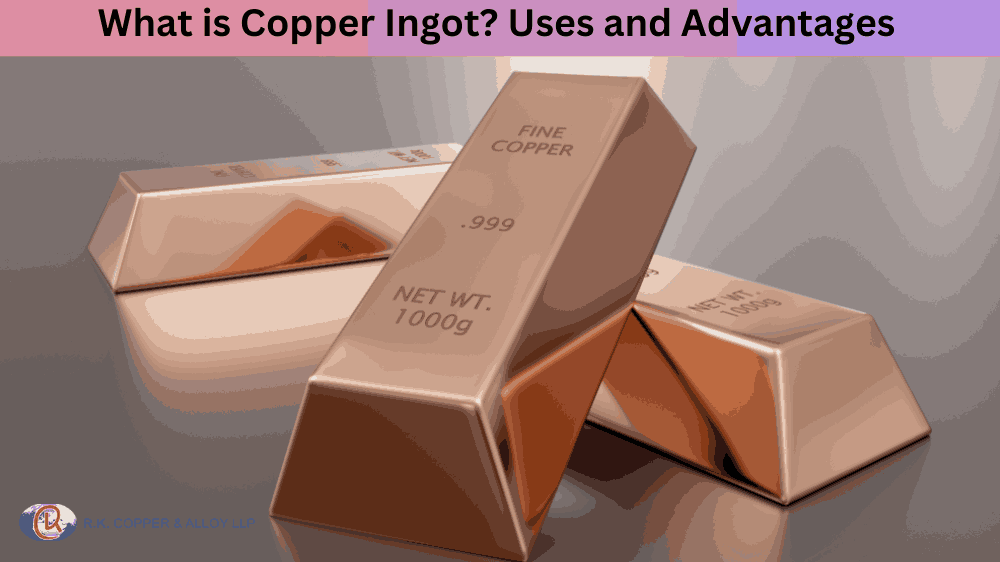
Copper ingots are bars of copper that have been cast into a specific shape. They are usually rectangular, weighing about 25-35 kilograms. Copper ingots are made by melting copper in a furnace and casting it into a mould. The mould is removed, and the copper solidifies into a specific shape. This process gives the nuggets a consistent weight and size, making them easier to transport & handle.
Uses of Copper Ingot
The primary use of copper ingots is in manufacturing copper products like electrical cables, statues, roofing systems, and plumbing fixtures. Copper is an excellent conductor of electricity, making it a popular choice for electrical systems. The ingots create electrical wiring, circuit boards, and other electrical components. Due to its aesthetic value and durability, copper is also used in architectural features such as gutters, downspouts, & roofing materials.
Another important use of copper ingots is in the production of coins. Copper is a valuable metal in producing coins due to its resistance to corrosion and ability to create crisp designs and sharp edges. The US penny comprises 97.5% zinc and 2.5% copper, while the US nickel contains 25% & 75% copper.
What is Copper Ingot? Uses and Advantages
Copper Ingot Manufacturing Process
Copper ingot production involves six stages: preparing and melting copper feedstock, removing impurities, adjusting its composition, casting the molten metal into moulds, cooling and solidifying it, and inspecting the finished ingots before supplying consistent material for rolling and drawing operations.
Types of Copper Ingots
Copper ingots are selected on conductivity, oxygen content and forming requirements. ETP Copper is used for electrical applications. Oxygen free or Deoxidized grades have low oxygen content. Copper alloy is harder than copper. Select the kind of ingot according to the application and the required performance.
Factors to Consider When Selecting Copper Ingots
Start by verifying the copper’s grade and purity. Choose the right chemical formulation for the desired application. It must meet electrical or thermal requirements. Review dimensions, weight and processing method befor
Advantages of Copper Ingot
Copper ingots also have several advantages over other forms of copper products:
- They are durable and can withstand high temperatures & harsh environments.
- They are malleable & ductile, easily forming into different shapes and sizes.
- They are highly conductive, making them an excellent choice for electrical components.
- Copper ingots are easy to transport and store due to their consistent weight and size.
Conclusion:
In conclusion, copper ingots are a vital resource in various industries. They are widely used to produce electrical systems, architectural features, coins, & other applications. Copper ingots have several advantages: durability, malleability, ductility, and high conductivity. If you are in the market for copper products, consider using copper ingots for their reliable & versatile qualities.
FAQs
What is a copper ingot used for?
Mills and fabricators use a copper ingot as feedstock for manufacturing. They roll, draw or extrude it into rods, bars, wires, electrical components and other copper products.
How are copper ingots made?
The production begins with the melting and controlled casting of the mold. As the metal cools it becomes hard. Each ingot is inspected prior to shipment.
Which types of copper ingots are common?
Buyers choose ETP, oxygen-free, deoxidized or alloy copper ingots to meet their needs for balancing conductivity, oxygen control, strength and performance for specific applications.
Why does copper purity matter in an ingot?
Impurities can affect the electrical and thermal efficiency, change the forming behavior and affect the ability of finished copper products to meet specifications.
Before ordering copper ingots, which factors need checking?
Other important factors include purity, composition and grade, dimensions required, weight, application, method of processing, and supporting quality documentation.