Copper Products in Electrical and Industrial Applications
Copper is an important part of power systems as it has steady electrical properties. Its capacity to transport current with minimal loss makes it essential for modern distribution networks. Copper bars are suitable for electrical, and thermal conductivity in numerous applications, ensuring safe, and consistent power transmission. As copper is the preferred metal for busbars, engineers depend on it to create compact, and efficient layouts. Busbars come in various types of thicknesses and forms, allowing for more flexible system design. This blog explains how Commercial Copper Flats differ from busbars in form, function, and use. It also outlines material properties, standards, and selection factors. The goal is to support informed decisions for electrical and industrial projects while maintaining long-term performance and safety.
What Are Commercial Copper Flats?
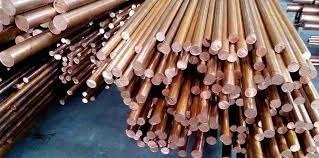
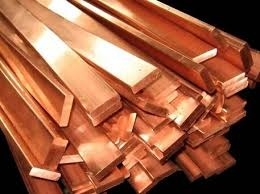
Commercial Copper Flats are solid copper sections with a flat, rectangular profile. They are manufactured through hot rolling, or extrusion, which is followed by surface finishing. Standard sizes are available in various widths and thicknesses to meet specific design requirements. Lengths are usually reduced based on project demand. Surface finishes include mill finish, bright finish, and protective coatings. These flats have high electrical flow, consistent mechanical strength, and excellent heat transmission. They are easy to bend, cut, and drill, which makes them ideal for fabrication. Copper flats are used across electrical panels, earthing systems, switchgear parts, and structural supports. Industries such as power, construction, railways, and heavy equipment rely on them for both electrical and mechanical roles. Their balanced properties make them suitable for mixed-use systems.
What Are Copper Busbars?
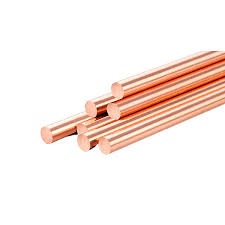
Copper busbars are conductors designed to carry high currents within electrical systems. Their main role is to collect and distribute power across circuits. As copper is a preferred metal for busbars, these components offer low resistance and stable output. Busbars may be flat, round or laminated based on system layout. Busbars can come in different thicknesses and shapes, which helps manage current load, and space limits. Surface options include bare copper, tin-coated, or silver-coated finishes. These coatings improve contact performance and corrosion resistance. Busbars handle high current density while maintaining low heat rise. They are widely used in substations, control panels, switchboards, and power distribution units. Their design supports safe, and organised electrical routing.
Key Material and Property Differences
Both products use copper, yet their performance differs based on design intent. The differences affect electrical load handling, flexibility and fabrication limits.
- Electrical conductivity comparison
Both have great conductivity, but busbars are built to handle higher current flows. Copper flats are suitable for a wider range of applications that require constant current.
- Mechanical strength and flexibility.
Copper flats offer better flexibility for bending and shaping. Busbars depends more on stiffness to stay aligned under load.
- Heat dissipation and thermal performance
Busbars control heat more effectively due to their size and surface area. Copper bars are suitable for electrical and thermal conductivity, while busbars perform well under peak loads.
- Surface finish and fabrication differences
Flats facilitate cutting and drilling. Busbars often require precision machining and coated surfaces for safety.
Application-Based Differences Between Copper Flats and Busbars
Selection depends on how the material performs within real operating conditions. Each product serves a defined role.
- Structural and general-purpose uses of copper flat: Commercial copper flats are useful for earthing, bonding and mild structural work. They are suitable for systems, with moderate electrical demands.
- High-current electrical applications of busbars: Busbars control concentrated power flow. They are suitable for panels, transformers, and distribution boards.
- Installation Environments and Space Considerations: Flats work effectively in open layouts. Busbars are ideal for tiny enclosures, where space is at a premium.
- Cost-effectiveness and lifecycle performance: Flats cost less for mixed-use tasks. Busbars deliver longer life under heavy electrical stress.
Manufacturing Standards and Quality Considerations
Manufacturing standards determine the performance of copper goods. Commercial copper flats often adhere to ASTM, EN, and IS requirements. These standards include chemical purity, size limitations, and surface quality. Busbars follow identical requirements, but with more stringent electrical, and thermal tests. Standards also control coating thickness and bond strength. High copper purity ensures steady conductivity and reduces power loss. Dimensional tolerance is important for safe fitting, and load balance. The testing includes conductivity, tensile strength, and surface condition. Quality control is used during the rolling, cutting, and finishing processes to prevent faults. Proper inspection maintains consistency in output across batches. Compliance with standards promotes electrical system safety, efficiency, and longevity.
Selection Criteria: Choosing the Right Copper Product
Product choice starts with electrical load analysis. Higher current needs point toward busbars. Moderate loads allow copper flats. Mechanical strength and shaping needs also matter. Flats suit systems require bends or custom layouts. Environmental exposure affects surface selection and coating type. Corrosive situations require protective coatings. Budget limits influence decisions, as busbars are often more expensive due to precision work. Final selections are determined by project size and layout. Maintenance access and potential growth should be planned at an early stage. A detailed examination of load, space and service life aids in the selection of the optimal copper product for each system.
Advantages and Limitations of Each Option
Commercial Copper Flats offer flexibility and ease of fabrication. They suit general electrical and grounding tasks. Their lower cost supports wide use across industries. However, they may not handle extreme current loads well. Busbars excel in high-current systems with stable performance. Their compact layout improves safety and order. Yet, they require precise design and a higher initial cost. In mixed systems, copper flats support the structure while busbars handle the power flow. Each option performs best when used within its design limits.
Making the Right Choice Between Commercial Copper Flats and Busbars
RK Copper & Alloy has years of experience in manufacturing reliable copper products for demanding applications. We understand the technical requirements for current power and industrial applications. The decision between busbars and Commercial Copper Flats should always be based on load, layout, and safety requirements. Copper flats provide reliable grounding for general electrical use, whereas busbars manage high currents with control. Our team maintains stringent quality, precise sizing, and consistent material purity. This helps to ensure a long service life and safe functioning. For dependable supplies and experienced guidance on commercial copper flats, contact us to discuss the best copper solution for your next project.