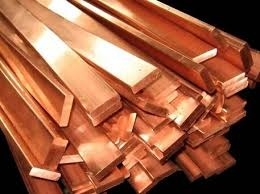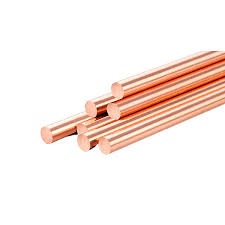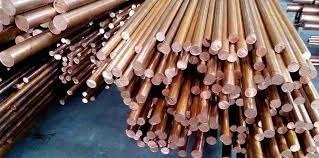
It is very important for heat to move efficiently in modern engineering. If heat stays trapped in a system, parts fail, and energy is wasted. Choosing the right material for thermal management is the most important decision a designer makes. Metals are the standard choice for this task. Copper stands out as the top metal for transferring heat from one place to another. We focus on DHP copper bars because they solve specific problems in heat transfer that other materials cannot handle.
What Is DHP Copper?
DHP Copper stands for Deoxidized High Phosphorus copper. It is a specific grade where we add phosphorus to the molten metal. This addition removes oxygen from the copper. Getting rid of oxygen is vital. It prevents the metal from becoming brittle when it is exposed to hydrogen at high temperatures. Phosphorus also makes the copper much easier to weld and braze. This grade follows strict manufacturing standards to ensure the chemical composition is exact. It is different from ETP copper because it handles heat and fire without cracking.
Thermal Conductivity Properties
Thermal conductivity is a way to measure the flow of heat through a solid object. DHP Copper Bars provide very good electrical and thermal conductivity values. Heat moves through the metal lattice without any resistance. The internal microstructure of this copper is uniform, which ensures the heat is spread out across the entire component. These bars perform reliably even when the temperature changes rapidly. Systems stay stable because the metal does not warp or lose its ability to move energy under stress.
Manufacturing and Processing
We produce these bars through several intensive methods. The process includes casting, extrusion, rolling, and cold drawing. Each step is designed to hit precise dimensions. A smooth surface finish is necessary because it allows for better contact between the copper and other parts of a heat exchanger. We run strict quality control checks to make sure the conductivity stays at the required level. These bars are available in many different widths and thicknesses. This variety allows engineers to design heat transfer parts that fit into tight spaces.
Advantages of Heat Transfer
The ability to distribute heat quickly is the biggest advantage. Copper’s thermal conductivity ensures that cooling happens fast. These bars also stand up well against corrosion. They do not rust easily when they come into contact with water, steam, or the open air. This metal is very easy to shape. You can bend it or flare it without the material snapping. Because the copper lasts so long, maintenance teams do not have to replace parts often. It is a cost-efficient choice. Even if the metal costs more at the start, the improved thermal performance saves money in the long run.
Industrial Applications
Heat exchangers and condensers are the most common places to find these bars. They are also found in HVAC systems, refrigeration equipment, industrial chillers, and boiler components. Electrical busbars and cooling assemblies in power plants use them to keep temperatures down. We also see them being used in renewable energy systems like solar thermal collectors. Using DHP copper bars helps these machines run with much higher energy efficiency. They help reduce the carbon footprint of industrial processes by cutting down on wasted heat.
Comparison with Alternative Materials
Aluminum is a common alternative because it is lighter. However, it does not move heat as effectively as copper does. Stainless steel is much stronger, but it acts as a thermal bottleneck. Heat gets stuck in steel. Copper handles the lifecycle of a machine much better than these alternatives. It provides a better value because it does not fail under thermal cycling. The thermal path in copper remains clear for decades.
Quality Standards and Compliance
Every batch of copper undergoes material verification. We test the thermal performance to make sure it meets the grade requirements. We perform dimensional inspections and conductivity checks on every single bar. Our production adheres to international material standards. This ensures that when these bars are installed in a factory or a power plant, they will not fail. Reliability is our main goal during the testing phase.
Conclusion
RK Copper & Alloy is a trusted name with 30 years of experience in producing high-quality copper products. We understand the technical needs of modern engineering. Thermal efficiency, durability, and the ability to be shaped make DHP copper the best choice for heat transfer. These bars keep industrial systems running cool and save on power costs. If you need reliable materials for your next project, contact us today to learn more about our range of copper solutions.