Copper bus bars carry electrical power from a source to the circuits that need it. Their high electrical conductivity keeps losses low, and they come in different grades and in flat, tinned and laminated forms. You will find them in electrical distribution and equipment of every scale. Size and grade decide whether a bar runs cool or overheats, so both choices matter.
What Are Copper Bus Bars?
Copper bus bars are solid conductive bars, made from copper, that collect and distribute electrical current between circuits. They replace bundles of cables inside switchboards, panels and power systems, and their cross-sectional size sets how much current they carry safely.
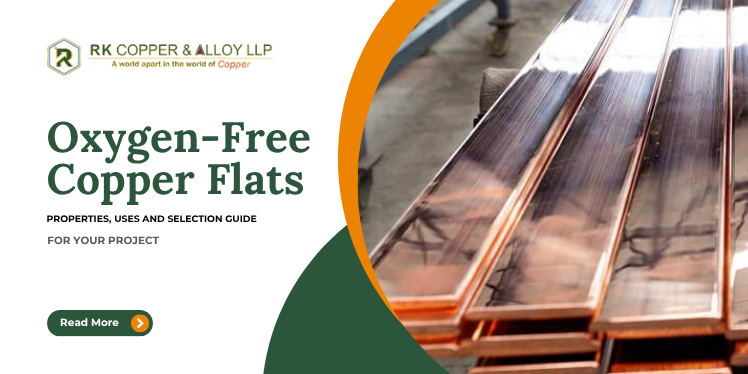
Makers shape most bars as flat strips, though custom profiles exist. Wider or thicker bars give more cross-sectional area, and that area sets current-carrying capacity. Switchboards, panels, switchgear and power systems all rely on them.
What Are the Different Types of Copper Bus Bars?
Three forms cover most needs.
| Type | Key Characteristic | Typical Use |
| Flat Copper Bus Bars | Simple, compact conductive profile | Panels and switchboards |
| Tinned Copper Bus Bars | Tin coating improves surface protection | Electrical environments where oxidation protection is useful |
| Laminated Bus Bars | Multiple conductive layers in a compact assembly | Power electronics and complex electrical systems |
Flat bars fit straightforward layouts where space runs short. Tinned bars earn their place at joints exposed to oxidation. Laminated assemblies stack layers into one unit, which suits dense power electronics.
What Grades of Copper Are Used for Bus Bars?
Two grades dominate. ETP copper delivers high electrical conductivity and serves most general electrical applications. Oxygen-free copper contains very little oxygen, which suits applications where conductivity and material quality carry extra weight.
| Copper Grade | Main Characteristic | Selection Consideration |
| ETP Copper | High electrical conductivity | General electrical applications |
| Oxygen-Free Copper | High purity and conductivity | Applications with specific conductivity requirements |
Where Are Copper Bus Bars Used?
- Electrical distribution panels
Electrical distribution panels use copper bus bars to split incoming power into multiple outgoing circuits inside one compact, organised enclosure.
- Switchboards
Switchboards rely on copper bus bars to receive power from supply and route it to feeders and protective devices.
- Switchgear
Switchgear houses copper bus bars that link breakers, isolators and fuses into one conductive path for load and fault currents.
- Power distribution systems
Power distribution systems use copper bus bars to carry currents between transformers, panels and loads over short, rigid conductor runs.
- Control panels
Control panels place copper bus bars inside the enclosure to feed relays, drives and contactors from one common power source.
- Industrial electrical equipment
Industrial electrical equipment such as motor control centres and machinery uses copper bus bars to deliver current to high-load components.
- Power generation systems
Power generation systems use copper bus bars to collect output from generators and pass it to transformers and grid connection.
- Electrical enclosures
Electrical enclosures protect copper bus bars from dust, contact and impact while keeping conductors compactly arranged and ready for connection.
These applications use copper bus bars because they are very efficient at carrying and distributing current.
How Are Copper Bus Bars Sized?
Sizing starts with width, thickness and the resulting cross-sectional area. Add the required current-carrying capacity, operating temperature, available installation space and the wider electrical system requirements. Verified ampacity figures depend on design conditions, so this guide quotes none.
| Sizing Factor | Why It Matters |
| Width | Affects cross-sectional area and current capacity |
| Thickness | Influences current capacity and mechanical rigidity |
| Cross-sectional area | Important for electrical performance |
| Operating conditions | Affect permissible current loading |
How to Choose the Right Copper Bus Bar?
Work through this checklist in order:
- Determine the required current capacity.
- Select the appropriate copper grade.
- Choose the width and thickness.
- Consider available installation space.
- Decide whether tinning or another finish is necessary.
- Weigh temperature and environmental conditions.
- Check fabrication and connection requirements.
- Confirm the applicable electrical specifications.
Final dimensions must follow the actual electrical design and service conditions.
Copper Bus Bar Maintenance and Care
Inspect connections on a regular schedule. Look for overheating or discoloration, which signal trouble early. Keep contact surfaces clean, check mechanical tightness and watch for oxidation or surface damage. Hold operating conditions within suitable limits, and your copper bus bars will keep performing.
Conclusion
Copper bus bars distribute power widely because they combine conductivity with practical design options. Grade, type, dimensions, current requirements and operating conditions should all guide your choice. RK Copper & Alloy LLP has manufactured, imported and supplied electrolytic copper products from Mumbai since 1991. Share your grade, size and current requirements with the team to get started.