For many years copper has been the material of choice for electrical wiring. It is a reliable option for residences, businesses and infrastructure because of its durability and low loss of electricity. In addition to its exceptional strength, corrosion resistance, and thermal performance, copper ensures long-lasting and secure electrical systems. What copper conductors are, why copper is the best conductor, and their main benefits such as electrical conductivity, toughness, thermal conductivity, adaptability and long life expectancy are all covered in this blog. We’ll also understand the primary use for copper conductors in modern technology.
What Are Copper Conductors?
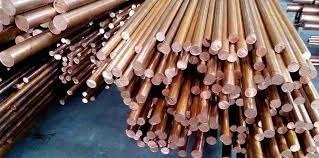
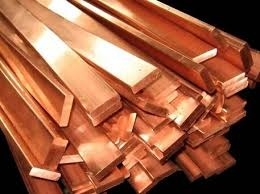
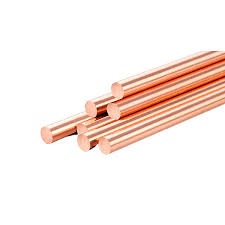
High purity Copper Wires or cables that transfer electrical current from one location to another are known as copper conductors. They are used as the foundation for power networks, automobiles, factories, and residential electrical system. Both solid and stranded wire can attract copper. Stranded conductor provide flexibility for location where wires must bend or move whereas solid conductors are usually utilized in fixed installations. Even over long distance copper’s conductivity guarantees effective electrical transmission with little energy loss.
Why Copper is the Best Conductor
Copper is considered the best conductor for most electrical applications because it combines high electrical conductivity with mechanical strength and resistance to wear. It functions well under different environmental condition and maintain stable conductivity for decades. Though silver does have a little better conductivity its price puts copper in a practical position as the choice for everyday wiring.
- Outstanding Electrical Conductivity
Copper has one of the lowest electrical resistance among metals used in wiring. This reducese energy loss as heat by letting current to flow through with less resistance. This efficiency results in significant saving and improved performance in high demand setting such as power grids or industrial plants. Copper guarantees steady and transparent current flow even in small electronics which is important for device dependability. - Toughness and Strength
Copper conductors are strong enough to withstand bending, twisting and pulling during installation. Because of its mechanical toughness, the wire is less likely to break and will stay intact over time. Copper wiring function flawlessly in vibration prone environment like automotive or marine systems. It is also simple to install copper conductor without causing damage because of their strength and flexibility. - Warm Conductivity
Copper not only excel in electrical conductivity but also in thermal conductivity. It efficiently transfers heat generated when current flow through it. This characteristic aids in preventing overheating, which could harm connected devices or insulation. Copper’s thermal conductivity is essential for preserving safe operating conditions in high-load systems, where wires carry high current for extended periods of time. - Adaptability
Copper is highly adaptable and can be shaped, joined, or bent without losing performance. This makes it suitable for a wide range of uses from heavy duty cables in industrial power distribution to delicate wire in electronic. Copper conductors are perfect for any environment or electrical need because they can be used in portable cords, underground system and overhead power lines. - Long Life Expectancy
The long lifespan of copper wiring is well known. It doesn’t deteriorate over years of use. Resistance to corrosion is a major factor in this. Copper retains its conductive quality even in environment that are humid, salty or chemically active. Copper wire frequently lasts longer than the equipment it powers which lowers maintenance costs and the need for frequent replacements.
Utilizations of Copper Conductors
- Household Wiring
Copper is the preferred choice for home electrical system because it delivers power efficiently and safely. Its flexibility and strength makes it easy to install in walls, ceilings and electrical panels, ensuring reliable current flow to lighting, outlets, and appliances for years. - Power Transmission and Distribution
Copper wires are used in power network to transport electricity from generating facilities to substation and ultimately to end user. Their longevity guarantees steady performance in overhead installation and their low resistance decreases energy loss over extended distance. - Electronics and Communication Systems
Copper wiring is used in computers, mobile devices, televisions and communication networks. It provides stable connections that prevent signal loss and interference, which is critical for high-speed data transfer and clear audio or video output. - Automotive and Transport Systems
Copper conductors are necessary for powering onboard electronics, motors, sensors, and lighting systems in automobiles. Copper is perfect for use in automobile, buses, trains and even airplanes because of its resistance to high temperature and vibration damage. - Industrial and Manufacturing Equipment
Motors, control systems, generators, and heavy machinery in industrial plants run on copper wiring.Even with high electrical loads and constant use its strength and conductivity contribute to stable operation. - Renewable Energy Systems
Copper conductors are used by solar panels, wind turbines, and battery storage systems to efficiently transport electricity produced. Copper is crucial for sustainable energy solutions because of its versatility in handling different loads and weather conditions.
Conclusion
Copper continues to be the leading material for electrical wiring because of its unmatched balance of conductivity, strength, thermal performance, adaptability, and lifespan. From household circuits to high-power industrial networks, copper delivers efficient and safe electrical performance. Its ability to withstand demanding environments while maintaining long-term reliability makes it the most trusted conductor in the industry. Whether in small devices, large-scale infrastructure, or renewable energy systems, copper remains the best choice for dependable electrical connections.