Copper wire carries electrical current through every power distribution system in use today, from residential circuits to industrial switchgear. Choosing the wrong wire raises resistance, wastes energy as heat and shortens equipment life. Wire size, conductivity, insulation grade and installation conditions affect how safely and efficiently a system performs. This guide discusses the factors to consider when selecting copper wire for power distribution.
Why Copper Wire Is Preferred for Power Distribution
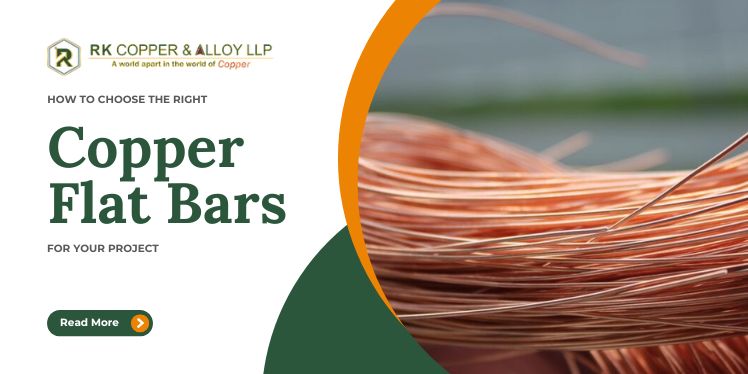
Electrolytic-grade copper, refined to a minimum of 99.9% purity, conducts electricity at roughly 101% IACS, a benchmark few common conductor metals match. Resistivity stands near 1.72 microohm-cm at 20°C, low enough to limit voltage drop over long runs. The metal also dissipates heat well, approximately 400 W/mK and survives constant bending during installation. A service life that often exceeds 25 years keeps copper the default choice for power wiring.
How to Select the Right Copper Wire for Safe and Efficient Power Distribution
Understand the Electrical Load Requirements
Calculate the expected current draw before choosing a wire. Add up the rated amperage of every connected device, then apply a 20 to 25% safety margin for peak demand. Skipping this step is the most common cause of undersized wiring, which heats up, degrades its insulation and raises the risk of failure at the connection point.
Select the Appropriate Wire Size
Cross-sectional area determines how much current a wire can carry without overheating. A 2.5 mm² copper conductor typically handles around 20 amps in free air; a 6 mm² conductor handles closer to 40 amps, depending on insulation and installation method. Larger loads need proportionally larger conductors. Undersized wire raises resistance and voltage drop.
Choose the Right Insulation Type
Match insulation to the conditions the wire will face. PVC suits general indoor wiring up to around 70°C. XLPE handles higher continuous temperatures, up to 90°C and performs better in wet or buried runs. Rubber-based insulation flexes well in equipment that moves. Heat, moisture, chemicals and abrasion each shorten insulation life at different rates.
Consider the Installation Environment
Indoor wiring in a climate-controlled office faces different stresses than outdoor feeder cable exposed to sun and rain. Industrial plants add dust, oil and vibration. Coastal or chemical plant sites produce corrosive atmospheres that damage exposed conductors. Sizing the wire to its environment before purchase prevents early run-out in the field.
Verify Compliance with Industry Standards
Since copper wire is available in many different grades, ensure that the copper wire you are buying complies with standards like IS 8130 or IEC 60228. Certified wire has consistent conductivity, dimensional accuracy and insulation characteristics that uncertified wire can’t match. Standards compliance also matters for regulatory approval of commercial and industrial installations.
Buy from a Trusted Supplier
Product quality varies from supplier to supplier, even when wires look identical on a datasheet. Look for material certification, consistent conductivity across batches and technical support that can answer application-specific questions. A supplier that delivers on schedule and stands behind the product cuts project risk more than a lower price does.
Key Benefits of Selecting the Right Copper Wire
Choosing the correct copper wire pays off well beyond installation day. The right selection delivers:
- Safe electrical operation under rated load.
- Low energy loss and high electrical conductivity
- Lower power losses on long cable runs
- Less risk of overheating at connection points
- More efficient overall energy use of the system
- Reliable carrying capacity in permanent use
- Long service life with minimal insulation deterioration
- Easy to maintain when installed correctly
- Improved overall system performance
- Improved operational safety for personnel and equipment
Common Applications of Copper Wire
- Power distribution systems: carry electricity from transformers to homes, offices and factories. Underground and elevated networks rely on conductors proportional to the expected load.
- Electrical panels: connect the incoming power supply to individual circuits. Panel wiring must handle the full connected load without overheating inside the enclosure.
- Industrial machinery: wire motors, drives and control systems on the production line. Continuous duty cycles and vibration make conductor durability as important as current rating.
- Control panels: link sensors, relays and switches inside the enclosure. Smaller gauge wire is common here, chosen for signal reliability rather than high current.
- Transformers: connect the windings that step voltage up or down. This wire must withstand the heat generated during continuous operation.
- Switchgear: carries current between breakers and outgoing circuits. Reliable connections here directly affect how quickly a system can isolate a fault.
- Commercial buildings: feed power to lighting, HVAC and office equipment. Wiring usually runs through conduit or cable trays for protection and convenient access.
- Residential wiring: supplies power to household circuits and appliances. Wire size is selected against local electrical codes and the home’s total connected load.
- Renewable energy systems: connect solar panels, inverters and battery storage. Outdoor-rated, UV-resistant insulation is standard for exposed wiring.
- Electrical grounding systems: give fault current a safe path to earth. A properly sized ground conductor limits shock hazard and protects connected equipment during a fault.
Final Checklist Before Buying Copper Wire
A few last checks minimise the risk of ordering the wrong wire. Confirm the purchase order by reviewing each point against the load, environment and budget of the specific installation.
- Confirm these points before placing an order:
- wire size based on calculated load
- Current-carrying capacity with a safety margin included
- Suitable purity of copper for the application
- Insulation type suitable for the installation environment
- Insulation operating temperature range
- Installation environment: indoor, outdoor, industrial or corrosive environment
- Compliance with IS 8130, IEC 60228 or other relevant standards
- Requirements for installation method flexibility
- Supplier reliability and past certification
- Project budget weighed against total lifecycle cost, not unit price alone
Conclusion
Conductor size, insulation and current-carrying capacity are factors to consider when selecting the appropriate copper wire size according to the requirements of an application. The size of the wire, the type of insulation, the environment in which it is used, and a recognised code or standard all play an important part in the safe, efficient operation of a power distribution system. Overheating, voltage drop or premature failure later on. Cutting corners on any of these surfaces, when you buy copper wire from a supplier that backs material certification and consistent quality, you mitigate this risk, ensuring reliable performance in industrial, commercial and residential systems for years to come.